


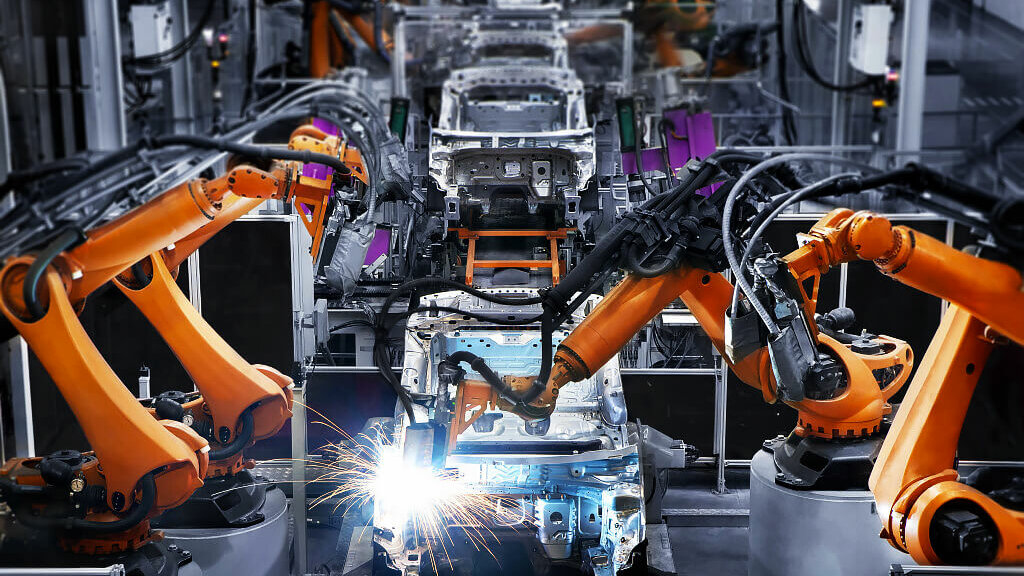
The automotive industry, one of the most significant global markets, is on the brink of transformation. Historically stable, it is now witnessing rapid changes driven by technological advancements and evolving consumer demands. As we move into the next few years, several trends are set to redefine the landscape of the auto industry. Here’s an overview of ten crucial trends expected to shape the market from 2024.
1. Surge in Electric Vehicle Adoption
The transition to electric vehicles (EVs) stands out as the most significant trend within the automotive sector. Over the past five years, interest in electric vehicles has surged, with searches for "electric vehicles" increasing by 110%. The International Energy Agency (IEA) reported that global EV sales surpassed 3 million units in 2020, making up over 4% of total vehicle sales. By 2023, this number had escalated to an estimated 14 million, with sales growing by more than 40% year-over-year after a lacklustre 2019.

Notably, Europe has overtaken China to become the largest market for new plug-in electric vehicles, with sales of battery electric vehicles (BEVs) and plug-in hybrid electric vehicles (PHEVs) soaring by 137% in 2020, even as the overall car market contracted by 20%. Projections from Bloomberg New Energy Finance anticipate that EVs will account for 10% of all new car sales by 2025 and a staggering 58% by 2040. By 2030, the share of EVs on the road is expected to remain at about 8%, but a significant increase is forecasted for the following decade.
This rapid adoption is largely driven by regulatory measures aiming for net-zero emissions by 2050, alongside decreasing battery costs and expanding charging infrastructure. In the U.S., the number of public EV charging stations is currently limited, but more than 60% of Americans have access to home charging solutions, facilitating further growth.
2. Chip Shortage Continues to Plague Auto Manufacturers
The automotive industry is facing an unprecedented semiconductor chip shortage that has wreaked havoc on production lines and sales figures. Initially ignited by the COVID-19 pandemic, which caused a significant drop in consumer demand for vehicles, automakers suspended orders for chips. Simultaneously, chip manufacturers shifted their focus to other sectors, such as consumer electronics and personal computing, which were witnessing a boom as more people began working and studying from home. This realignment led to a critical supply gap that the automotive sector is now struggling to fill.
As economies began to reopen and vehicle demand surged, automakers found themselves at the back of the line for chip allocations. This prioritization of smartphone and cloud computing companies over the automotive industry has made it increasingly difficult for manufacturers to secure the necessary components for their vehicles. According to industry analysts, resolving the chip shortage is a complex issue that could require years of investment and development, amounting to billions of dollars to build new fabrication facilities capable of producing automotive-grade chips.
The consequences of this shortage have been severe. Auto manufacturers have had to temporarily shut down plants, resulting in an estimated loss of $210 billion in revenue in 2021 alone. This financial hit is not just a temporary setback; it poses a long-term threat to the automotive industry, as companies may lose market share to competitors who can navigate supply chain disruptions more effectively.
To mitigate the impacts, some manufacturers have resorted to creative solutions, such as software rewrites to accommodate different types of chips (reportedly Tesla) or even removing non-essential features from vehicles (some BMWs have been built without their usual touchscreen capability, Chevrolet has removed heated seats and HD radios from certain models, and Nissan has been forced to forgo installing navigation systems in many of their cars to save the chips for their two best-selling models) to conserve chip usage. This adaptation demonstrates the industry's resilience but also highlights the urgent need for a more robust supply chain strategy moving forward.
3. Online Vehicle Purchases Gain Traction
The digital transformation has permeated the auto industry, fundamentally altering the car-buying experience. Research indicates that over 90% of car buyers engage in online research before purchasing a vehicle. The pandemic accelerated this trend, with online sales rising significantly. Before COVID-19, only about 4.2% of car sales were completed online; this figure is expected to have increased substantially as consumers seek convenience and efficiency.

Online retailers like Carvana have capitalized on this shift, reporting a 37% increase in sales in 2020, with further growth seen in subsequent years. Traditional dealership experiences, often marked by lengthy negotiations and in-person visits, are becoming less appealing to consumers who prefer the ease of completing transactions from home.
4. Auto Sales Impacted by Low Inventory and High Prices
The effects of the chip shortage have rippled through the automotive sales landscape, resulting in historically low inventory levels and soaring vehicle prices. Early 2022 marked a significant decline in U.S. auto sales, with the first quarter showing a 25% drop in passenger car sales compared to the same period in 2021. This decline represents the lowest first-quarter volume in a decade .
Inventory levels have remained alarmingly low due to ongoing supply chain disruptions. Manufacturers are unable to produce enough vehicles to meet consumer demand, which has led to unprecedented price increases. According to industry reports, vehicle prices surged nearly 20% year-over-year, with some dealerships imposing exorbitant markups on their limited inventory. This pricing strategy has raised concerns about affordability, particularly among average consumers who are now facing the dual challenges of rising prices and limited availability.

Moreover, the shift toward online sales and digital retailing has further complicated the purchasing experience. While these platforms can offer convenience, they also expose consumers to more aggressive pricing tactics, leading to inflated costs. The implications of this trend are significant: as prices rise, a growing segment of consumers may be forced to delay their purchases, opting instead for used vehicles or alternative transportation options.
5. Enhanced Vehicle Connectivity
With the proliferation of 5G technology and the Internet of Things (IoT), cars are becoming increasingly interconnected. Searches for "connected car" have risen by 96% over the past decade, reflecting growing consumer interest in vehicles capable of communicating with other systems. Approximately 47.5 million connected cars were sold in 2020, and this number is projected to grow by 20% annually.

The global connected car market, valued at approximately $103.24 billion, is expected to reach $191.83 billion by 2028. The rise of 5G is a key driver, improving vehicle connectivity and enabling advanced functionalities. Major tech firms, including Google and Apple, are exploring partnerships with automakers to integrate sophisticated software and AI capabilities into vehicles. For instance, the collaboration between Google and Ford aims to embed an Android operating system into Ford and Lincoln vehicles, enhancing connectivity for drivers.
6. Micro-mobility Presents a Potential Shift Among Consumers
As urban populations grow and traffic congestion worsens, the concept of micro-mobility is gaining traction as a viable alternative to traditional car usage. Although approximately 76% of Americans still commute by car, this figure has decreased from over 80% in 2019, indicating a shift in consumer behaviour. This change is largely driven by rising environmental awareness and the high costs associated with car ownership.
Micro-mobility solutions, such as e-bikes and electric scooters, have emerged as attractive options for short-distance travel. The micro-mobility market was valued at around $40 billion in 2020 and is projected to skyrocket to $195 billion by 2030. This growth is fueled by an increasing number of cities implementing bike-sharing and scooter-sharing programs to reduce traffic congestion and promote eco-friendly commuting options.
Cities like Honolulu and Nashville have seen successful micromobility initiatives, demonstrating the growing acceptance of smaller, low-speed vehicles as a legitimate mode of transportation. These shared mobility solutions not only alleviate traffic problems but also cater to younger consumers who prefer flexible, on-demand transportation options over traditional car ownership. As cities continue to invest in infrastructure to support micro-mobility, this trend will further reshape the transportation landscape.
7. Hydrogen Fuel Cell EVs
As the automotive industry seeks alternatives to fossil fuels and battery-electric vehicles (BEVs), hydrogen fuel cell electric vehicles (FCEVs) are gaining attention as a promising option. Unlike traditional combustion engines and battery-powered vehicles, FCEVs emit zero CO2 and can be refueled quickly, making them appealing to consumers and manufacturers alike.

Despite currently low market penetration compared to BEVs, sales of FCEVs saw a remarkable 90% increase in 2021. California is at the forefront of this shift, leading efforts to expand hydrogen refueling infrastructure. The state's ambitious goal of establishing 1,000 hydrogen stations by 2030 reflects a growing focus on hydrogen technology. This investment could not only facilitate the adoption of FCEVs but also create a more diverse energy landscape within the automotive sector.
Major automotive manufacturers, including Toyota and Hyundai, are significantly investing in FCEV development, indicating a broader acceptance of hydrogen as a viable alternative fuel source. The technology presents a potential solution to challenges associated with battery production and disposal, further solidifying its place in the future of sustainable transportation.
8. Growth of the Automotive Parts Market
The automotive parts market has shown steady growth, with global sales reaching approximately $723 billion in 2021. The rise of e-commerce has transformed this market, as 94% of consumers now consult manufacturer websites for product information before making purchases. The automotive aftermarket sector, valued at around $85.28 billion, continues to thrive as vehicles age and require more replacement parts and accessories.

This growth is driven not only by the increasing average age of vehicles on the road but also by the demand for higher-quality parts and accessories, particularly for trucks and light SUVs, which are more likely to require additional aftermarket components.
9. Rise of Autonomous Vehicles
Autonomous vehicles (AVs) are set to revolutionize the auto industry, with searches for "autonomous driving" skyrocketing by over 1,029% in the last decade. Although only about 1,400 self-driving cars currently operate on U.S. roads, forecasts predict that this number could reach 33 million by 2040. The Society of Automotive Engineers (SAE) outlines various levels of automation, with more than 30 million vehicles meeting at least Level 1 standards expected by 2024.

Currently valued at $207.38 billion, the global autonomous vehicle market is poised for explosive growth, potentially expanding tenfold within the next four to six years. Major automakers such as Tesla, Ford, and GM are heavily investing in AV technology, with companies like Waymo actively testing self-driving technology in urban environments. Despite the promising potential, consumer skepticism and regulatory challenges pose significant hurdles to widespread adoption.
The trucking industry, valued at around $800 billion, may benefit greatly from AV advancements, particularly in enhancing safety and reducing fatalities linked to driver fatigue. Autonomous truck operations are already underway, with companies like TuSimple leading the charge by developing Level 4 autonomous trucks for commercial use.
10. Luxury Car Brands See Growth
Amidst the challenges faced by the broader automotive market, luxury car brands are thriving, highlighting a bifurcation in consumer preferences. While the market for vehicles priced below $80,000 has struggled, luxury brands are projected to experience a compound annual growth rate (CAGR) of 14%. The first quarter of 2022 witnessed luxury vehicle sales outpacing lower-priced models by a ratio of 3 to 1, signaling a strong demand for premium vehicles.

Brands like Bentley and Lamborghini reported record sales, buoyed by consumer willingness to spend on high-end automobiles. The growth in the luxury segment underscores a shift in consumer behavior, where a segment of the population increasingly prioritizes premium features, customization options, and brand prestige over cost considerations. This trend reflects a broader economic reality, where affluent consumers are less affected by economic downturns, allowing them to continue investing in luxury products.
As the automotive market adapts to evolving consumer preferences, luxury manufacturers are likely to capitalize on this momentum by introducing innovative features, electrified options, and exclusive experiences that cater to high-end buyers.
Conclusion
The automotive industry is currently experiencing profound transformations that will significantly influence its trajectory over the next few years. Key trends such as the shift to electric and autonomous vehicles, increased connectivity, the rise of online sales, and the expanding automotive parts market are essential to monitor. As both consumers and manufacturers adapt to these shifts, the industry is entering a new era that could redefine mobility for future generations.
The challenges posed by the ongoing chip shortage, evolving sales dynamics, and emerging developments like micromobility, and hydrogen fuel technology further complicate this landscape. Meanwhile, luxury brands are flourishing despite market fluctuations, indicating a change in consumer preferences that compels the industry to innovate and adapt. Manufacturers that successfully navigate these changes and address supply chain challenges will be well-positioned for success in the years ahead.
Stay tuned to carprices.ae for more interesting updates.